

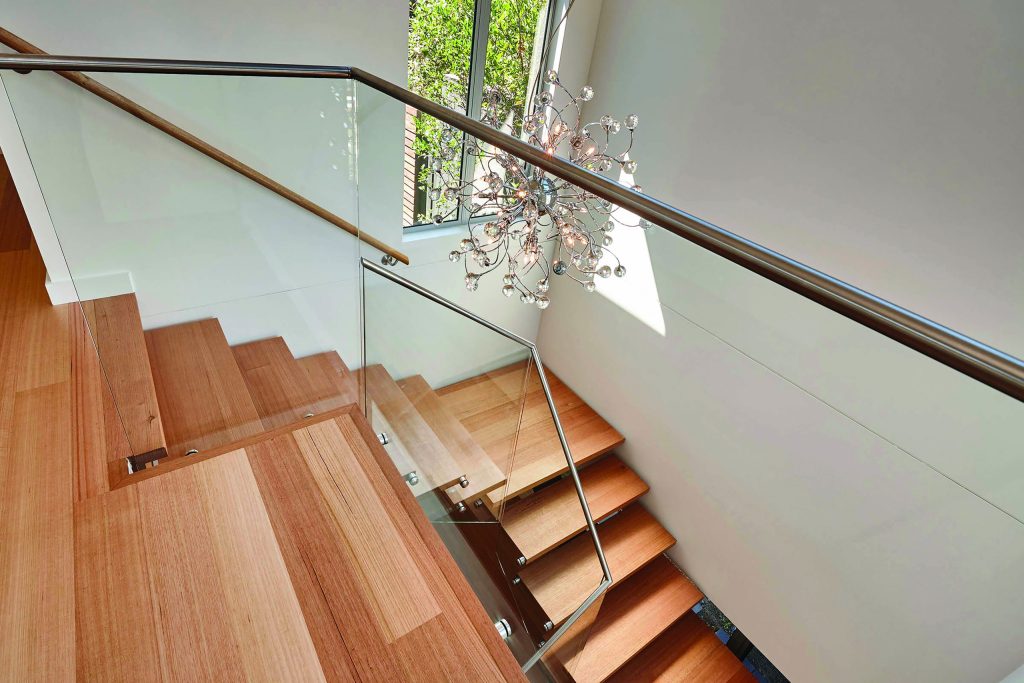
If you’re in the market to buy timber for your upcomping construction project or you’re a purchase manager for a construction company in Bangalore, you can’t miss hearing of Sal wood. It is the most common and popularised timber largely due to imported Sal being widely available at an affordable price point by timber merchants in Bangalore. But, did you know India produces indigenous Sal and is called Tadsal locally? Local Sal is not so popular in the market simple because it is tedious to procure and stock by local merchants. However at Harsha Timbers we stock both local and imported Sal offering a privilege of choice for our clients and customers alike.
Why Sal is such a popular choice
Exceptional Strength & Durability: Sal (Tadsal) is renowned for its high load-bearing capacity, making it ideal for heavy-duty structural work such as beams, columns, and door/window frames. Its robust nature ensures buildings and furniture stand strong for decades, even in demanding conditions.
Termite and Pest Resistance: Bangalore’s climate, with its variable humidity, makes structures prone to pests. Sal wood’s natural resistance to termites and decay gives peace of mind to homeowners and builders, reducing ongoing maintenance costs.
Reliable Availability: Local and imported Sal are widely available in Bangalore, sourced from managed forests and brought directly to the city’s bustling timber markets and specialist suppliers. This makes procurement easy, quick, and affordable for projects of any size.
Affordable & Cost-Effective: Compared to imported or premium woods like teak, local Sal is more budget-friendly, allowing quality construction and finishing without overspending. Its value for money is a big reason why it’s the backbone of both residential and commercial builds.
Adaptability for Furniture & Interiors: Sal wood is not just structurally strong; it’s also prized for furniture making, cabinetry, and doors because it can be shaped and finished to suit varied styles, while retaining strength and beauty.
Attractive Appearance: The grain and color of Sal wood—ranging from light to dark brown with a rugged, elegant pattern—make it aesthetically pleasing for visible applications in furniture and design.
Minimal Maintenance: Thanks to its natural oils and dense grain, Sal timber requires very little treatment and upkeep, performing reliably over time without frequent repairs or polishing.
Imported Sal and Local Sal
Imported Sal wood—mostly from the forests of Nepal and Bhutan—commands a premium price due to its slow growth cycle and extraordinary density. While this makes imported Sal wood incredibly durable, the difference is most noticeable in structural applications requiring extreme longevity or heavy-duty furniture destined for generations of use.
However, for the vast majority of home and commercial projects in Bangalore, well-seasoned local Tadsal provides sufficient strength, durability, and longevity at a far more accessible price—without compromising on key attributes.
Comparing Imported Sal and Local/Indian Sal (Tadsal)
| Feature | Imported Sal (Nepal/Bhutan) | Local Sal (Tadsal) |
|---|---|---|
| Density & Strength | Excellent | Excellent |
| Durability | Exceptional | Exceptional |
| Colour & Appearance | Dark Brown, finer grains | Light-mid brown |
| Termite Resistance | Very good | Very goodWor |
| Workability | Harder, time-consuming | Easier & faster |
| Seasoning Required | Yes | Yes |
| Price (per CFT) | ₹2500-₹3200 | ₹1400-₹1800 |
| Availability | Depends on imports and international pricing | Readily available with select timber merchants |
| Ideal Usage | Doors, Windows, beams & furniture | Doors, Windows, beams & furniture |
| Value for money | Suits only high-budget large scale builds | Excellent, suits all types of builds |
| Sustainably harvested | Inconsistent and unlikely | Yes, from managed forests |
Where does local Sal (Tadsal) grow in South India?
Local Sal (Tadsal) wood primarily comes from the Shorea robusta tree, and its natural range extends across much of central and eastern India. In South India, Sal is found in smaller patches—especially in the Eastern Ghats in Andhra Pradesh, northern fringes of Karnataka, and some regions of Tamil Nadu where suitable moist deciduous forest conditions exist.
The main commercial supply in Bangalore is typically from:
- Eastern Ghats region of Andhra Pradesh
- Chhattisgarh and Odisha (regions bordering South India)
- Some forested tracts in northern Karnataka and Tamil Nadu, though these patches are smaller and less dense than those up north.
Bangalore timber dealers source Tadsal from these regions for reliable quality, density, and supply. Local Sal is often sourced from forest depots and managed forestry operations in Andhra Pradesh and nearby states, which is also suitable for projects that require certified government-approved timber sourcing.
How to Get the Best From Your Sal Wood Purchase
- Insist on Proper Seasoning: Well-seasoned Sal is less prone to warping and cracks, ensuring long-term reliability.
- Buy from reputable dealers: Locations like Harsha Timber & Saw Mills guarantee quality control and honest pricing.
- Specify your use-case: Communicate your project requirements (frames, furniture, beams) for the best fit in available grades.
While imported Sal wood remains a luxury option for projects where only the highest density and longest lifespan are acceptable, local Sal (Tadsal) is the practical, trusted timber for most Bangalore builds. It combines strength, affordability, and adaptability—making it the wise choice for both professionals and DIY enthusiasts. For questions or custom orders, reach out to your local timber expert and discover the difference that quality Tadsal can make.